Source Food Grade Dried Ginseng Flower for Tea, Supplements, and Decor
Find 30 listings for food grade dried ginseng flower. Compare specifications including packaging, origin, and certifications to identify suitable suppliers for your procurement needs and ensure quality standards are met for your specific business requirements; compare the available evidence and request quotations based on your requirements.
Key considerations
Products List
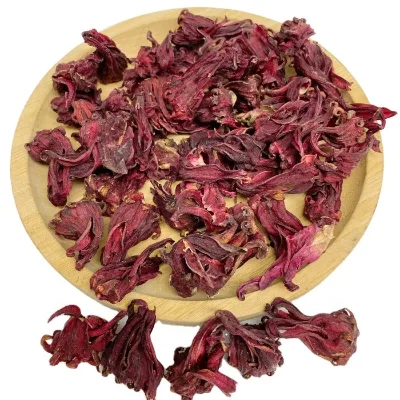


$2000.00 - $6999.00
Moq: 1


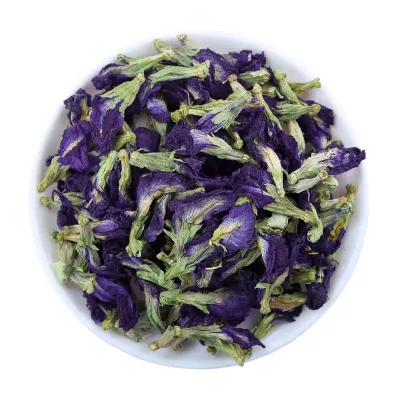


Comprehensive Sourcing Guide
Food Grade Dried Ginseng Flower Sourcing Guide
Buyers must first distinguish between crude medicinal forms and processed food-grade variants, as the observed listings include both "Crude Medicine" and "Dried" categories with varying attributes. While some entries specify "Regulating The Flow Of Qi" properties typical of traditional medicine, food-grade procurement requires verifying that the product is explicitly labeled for consumption rather than therapeutic use. The presence of "Sugar Added" and "Sweet" taste profiles in certain listings suggests a processed confectionery application, whereas "Low" pesticide levels and "First Grade" standards indicate a focus on raw agricultural quality.
Procurement teams should scrutinize the "Type" and "Shape" attributes to ensure the physical form matches the intended manufacturing line. Observed data shows variations from "Cracking" shapes to specific "Bonsai" styles, which may indicate decorative or novelty food applications rather than standard bulk ingredients. It is critical to confirm whether the "Drying Process" listed as "AD" (likely Air Drying) meets the specific moisture retention requirements for your final product, as inconsistent drying can lead to mold growth despite "Mildew Proof" storage claims.
Product Scope and Observed Listing Signals
The market signals indicate a wide spectrum of product definitions, ranging from standard agricultural commodities to specialized decorative items. Listings explicitly mention "Dried Ginger" and "Vitamin" nutrient compositions, which may be confused with ginseng in broad search results. Buyers must carefully filter for "Food Grade" status, as the presence of "Nature" properties and "Home Decoration" usage tags suggests some suppliers are offering non-edible botanicals. The "Color" variations of "White," "Red," and "Green" further complicate identification, requiring strict visual verification against the specific ginseng flower cultivar required.
Commercial signals also reveal significant variability in packaging and unit definitions, which impacts logistics planning. Observed packing formats include "20kgs/Carton," "10kg/CTN," and "20 Bunch in a Box," indicating that suppliers may not standardize their bulk units. This inconsistency necessitates a clear definition of the "Weight" per unit, such as the observed "0.8kg/Bunch" or "30g/Bunch," to prevent calculation errors in cost-per-kilogram analysis. Buyers should treat these observed ranges as examples rather than fixed standards, verifying the actual net weight and gross weight for every specific order.
Technical Specifications to Verify
Technical verification must begin with the "Drying Process" and "Storage" conditions to ensure product stability during transit. While some listings specify "Room Temperature" or "Shade" storage, others note "Normal" methods, creating ambiguity about the required cold chain or humidity control. The "Shelf Life" of "12 Months" is a critical parameter that must be validated against the actual harvest date, as "Mildew Proof" claims are only effective if the initial moisture content was correctly managed during the "AD" drying phase. Buyers should request batch-specific moisture analysis to confirm the product remains stable under their specific storage conditions.
Physical specifications such as "Shape," "Color," and "Size" require precise alignment with the buyer's quality control standards. The observed "Standard" attributes range from "Big size" and "Middle Size" to specific model numbers like "GS" or "480," which may refer to grading criteria rather than physical dimensions. It is essential to define whether "Perfect Quality" or "Grade 1" corresponds to a specific visual defect tolerance or particle size distribution. Without a standardized definition, the "Cracking" shape observed in some listings could lead to rejection if the buyer expects whole, intact flowers.
Compliance and Safety Documentation
Safety documentation must address the "Pesticide" levels and potential allergen risks associated with agricultural products. The observed "Low" pesticide claim is a positive indicator but requires third-party laboratory testing to verify compliance with the maximum residue limits (MRLs) of the destination market. Buyers should not rely on the supplier's self-declaration of "Low" levels; instead, they must demand a Certificate of Analysis (CoA) that explicitly lists pesticide screening results for the specific batch being shipped. This is particularly important given the "Agricultural Products" material classification, which inherently carries higher contamination risks.
Certification status varies significantly across the observed listings, with some suppliers holding "HACCP," "FDA," "ISO," and "BRC" credentials while others list none. These certifications are vital for food-grade products, as they demonstrate a systematic approach to food safety management and regulatory compliance. Buyers must verify that the specific facility producing the "Dried" ginseng flower holds these active certifications, as a company may hold certifications for one product line but not for the specific botanical item being sourced. The absence of these documents should be treated as a critical compliance gap.
Cost Drivers and Commercial Terms
Cost structures are heavily influenced by the "Customization" availability and the specific "Packing" requirements chosen by the buyer. While "Customization" is listed as available, this often incurs additional setup fees or minimum order quantity (MOQ) adjustments, as seen in the observed "1-100" MOQ range. Buyers must clarify whether the "20 Kgs/CTN" or "10 Kgs/CTN" packing options are standard or if they require a custom mold, which would impact the unit price. The variability in "Standard" definitions, such as "500G20/CTN" versus "1KG10/CTN," also suggests that packaging density is a primary cost driver.
Logistics and shipping terms introduce further cost variables that must be negotiated before finalizing the purchase. The observed "Type of Shipping" includes "Shipping by Air," which is significantly more expensive than sea freight but may be necessary for perishable botanicals. Buyers should evaluate the trade-off between the "12 Months" shelf life and the urgency of delivery, as air freight may be justified only for small, high-value batches. Additionally, the "Origin" locations, ranging from "China" generally to specific provinces like "Shandong" or "Kunming," can affect freight costs and import duties depending on the specific port of entry.
Supplier Qualification and Quality Control
Supplier qualification requires a rigorous assessment of their "Production" capabilities and "Quality Control" protocols. The presence of "First Grade" and "Perfect Quality" standards in listings suggests a tiered grading system, but buyers must verify the inspection criteria used to assign these grades. A robust quality control plan should include pre-shipment inspections that check for "Mildew," "Pesticide" residues, and physical defects like excessive "Cracking." Buyers should request a copy of the supplier's internal quality manual to understand how they maintain consistency across different batches.
The "Brand" and "Model" information provided in listings, such as "Luckyfoods" or "luckyfoods-26," can serve as a reference for traceability but should not be the sole basis for supplier selection. Buyers must ensure that the supplier can provide full traceability from the "Origin" farm to the final "Carton" packaging. This includes verifying the "Material" source and the "Drying Process" history to ensure no cross-contamination occurred. A qualified supplier should be able to demonstrate a clear chain of custody and provide batch-specific documentation that links the final product back to the raw agricultural source.
Long-Term Procurement Checks
Long-term procurement success depends on establishing a consistent supply chain that can withstand seasonal fluctuations and regulatory changes. Buyers should monitor the "Shelf Life" and "Storage" requirements of the supplier to ensure that the product remains viable throughout the contract period. The "12 Months" shelf life observed in some listings must be validated annually, as storage conditions in the supplier's warehouse can degrade product quality over time. Regular audits of the supplier's storage facilities are necessary to confirm that "Room Temperature" or "Shade" conditions are consistently maintained.
Continuous improvement in product specifications is essential for maintaining competitive advantage in the food-grade market. Buyers should work with suppliers to refine the "Standard" definitions, moving from vague terms like "Perfect Quality" to specific, measurable parameters. This includes defining exact "Color" tolerances, "Weight" ranges, and "Pesticide" limits that align with the buyer's brand standards. By collaborating on these technical specifications, buyers can ensure that the "Food Grade Dried Ginseng Flower" consistently meets the high expectations of their end consumers.
FAQs
What is the standard packaging for food grade dried ginseng flower?
The standard packaging is typically 20 kilograms per carton or 10 kilograms per carton. Some suppliers offer 12.5kg/CTN or 500G*20/CTN options. Custom packaging is available to meet specific buyer requirements. This ensures safe transport and storage while maintaining product quality during international shipping logistics.
Can food grade dried ginseng flower be customized for specific needs?
Yes, customization is available for various product attributes. Buyers can request specific sizes, grades, or packaging configurations. The product supports tailored solutions to align with distinct market demands. This flexibility allows businesses to source materials that precisely fit their operational standards and branding requirements effectively.
What certifications are required for food grade dried ginseng flower suppliers?
Suppliers often hold HACCP, FDA, ISO, and BRC certifications. These credentials verify compliance with international food safety and quality management standards. Buyers should verify these documents to ensure regulatory adherence. Certified suppliers provide greater assurance regarding product safety, hygiene, and consistent quality control throughout the manufacturing and supply chain processes.
How should food grade dried ginseng flower be stored to maintain quality?
Store the product in a cool, dry place away from direct sunlight. Ideal conditions include room temperature or shaded areas to prevent moisture damage. The product requires mildew-proof storage to preserve its integrity. Proper storage extends the shelf life, which is typically around 12 months, ensuring the dried flower remains fresh and potent for use.
What is the typical shelf life of food grade dried ginseng flower?
The typical shelf life is 12 months when stored correctly. This duration assumes the product is kept in a dry, mildew-proof environment at room temperature. Proper packaging, such as cartons, helps protect against humidity and physical damage. Buyers should check production dates to ensure optimal freshness and potency for their specific applications and inventory turnover rates.